Get Rubber Roof Waterproofing in Upland, CA
Property owners in Upland, CA can find local contractors who provide Rubber Roof Waterproofing services to repair leaks, prevent water damage, and extend roof lifespan for residential and commercial projects.
Property owners in Upland, CA, considering roof maintenance or upgrades often find themselves exploring waterproofing options to enhance durability and protect their investments. Rubber roof waterproofing services can provide a reliable solution for safeguarding against leaks, weather-related wear, and structural damage. If a building’s roof shows signs of aging or if planning a new installation, comparing local contractors experienced in rubber roofing can help ensure the right approach for long-term performance and peace of mind.
For those seeking to explore available options, it’s helpful to review the services offered by nearby specialists who understand the unique demands of properties in Upland. Evaluating different local providers can support informed decisions, whether for routine maintenance or more comprehensive waterproofing projects. Continuing to read can assist property owners in identifying trusted service providers capable of handling their specific needs efficiently and effectively.
- Commercial buildings - property owners in need of durable waterproofing solutions for flat rubber roofs in Upland, CA neighborhoods.
- Residential homes - homeowners seeking to protect their roofs from leaks and water damage in nearby communities.
- Industrial facilities - managers requiring reliable waterproofing for large-scale rubber roofing systems in the Inland Empire area.
- Apartment complexes - property managers looking to maintain and waterproof extensive flat roof surfaces in local apartment districts.
- Public facilities - municipalities and schools in Upland, CA needing waterproofing services to ensure long-lasting roof integrity.
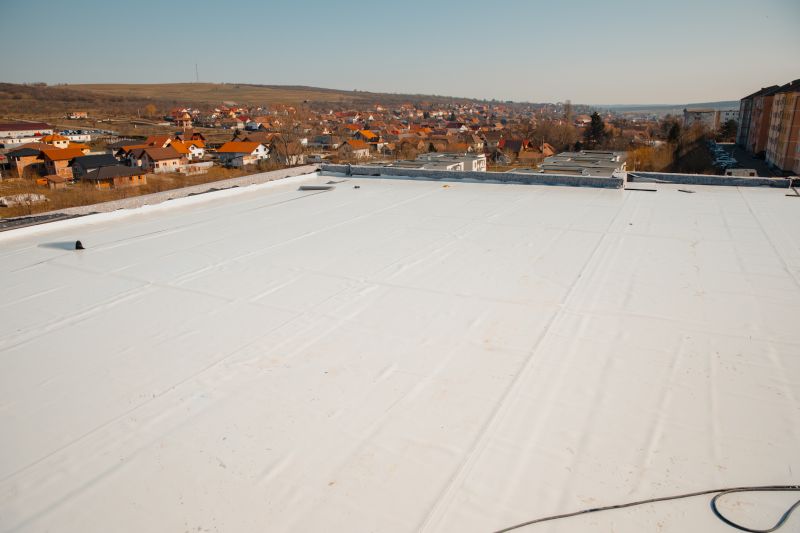
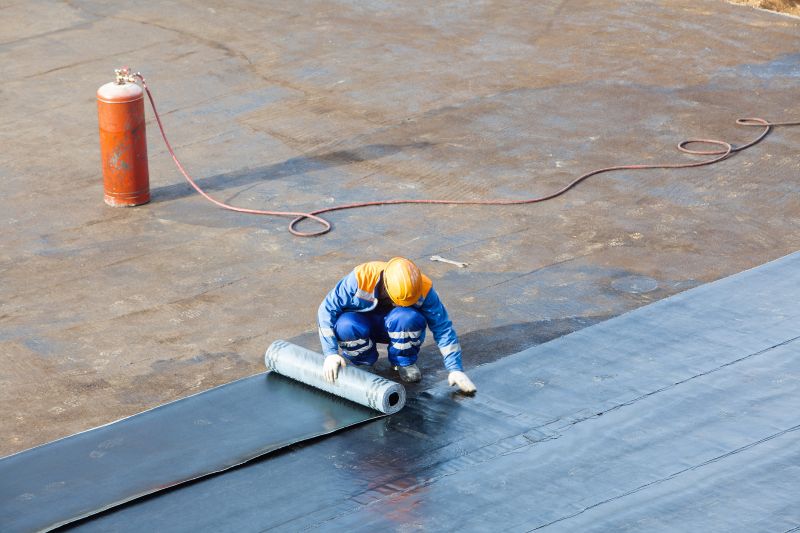
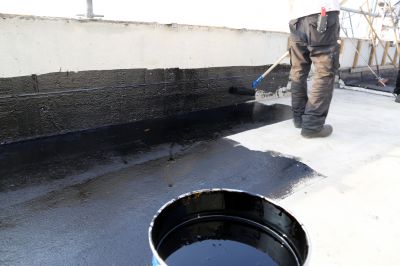
Rubber roof waterproofing services involve applying specialized coatings or sealants to the surface of rubber roofing materials to create a durable, water-resistant barrier. This process typically includes inspecting the existing roof for cracks, tears, or areas of wear, cleaning the surface thoroughly, and then applying high-quality waterproofing products designed to adhere securely to rubber. The goal is to extend the lifespan of the roof by preventing water penetration, which can cause damage to underlying structures and lead to costly repairs over time. Professional service providers use proven techniques and products to ensure the coating remains flexible and effective, even as the roof expands and contracts with temperature changes.
These waterproofing services help solve common problems associated with rubber roofs, such as leaks, cracks, and surface deterioration. Over time, exposure to the elements can cause the rubber material to weaken, develop holes, or become brittle, increasing the risk of water intrusion. Waterproofing creates a seamless, protective layer that seals these vulnerabilities, reducing the likelihood of leaks during heavy rain or storms. It also helps prevent mold growth and structural damage caused by standing water or moisture infiltration. Regular waterproofing maintenance can significantly improve the durability and performance of a rubber roof, saving property owners from more extensive repairs later.
Properties that typically benefit from rubber roof waterproofing include residential homes with rubber membrane roofs, commercial buildings, warehouses, and industrial facilities. These roofs are often chosen for their durability, flexibility, and ease of installation, but they still require maintenance to keep them in optimal condition. Homeowners with flat or low-slope roofs made of rubber can especially benefit from waterproofing to protect against leaks and weather-related damage. Commercial and industrial properties with large roof surfaces also rely on waterproofing services to maintain their buildings’ integrity, prevent operational disruptions, and avoid costly repairs. Any property with a rubber roofing system that shows signs of aging or weathering may be a candidate for waterproofing services.
Understanding when to consider rubber roof waterproofing is essential for property owners in areas like Upland, CA, where weather conditions can accelerate roof wear. If a rubber roof exhibits visible cracks, surface cracks, or signs of water stains inside the building, it may be time to consult with a local contractor about waterproofing options. Regular inspections can help identify early signs of deterioration, allowing for timely maintenance that prolongs the roof’s life. By working with experienced service providers, property owners can ensure their rubber roofs remain watertight, protected from the elements, and capable of providing reliable coverage for years to come.
The overview below groups typical Rubber Roof Waterproofing projects into broad ranges so you can see how smaller, mid-sized, and larger jobs often compare in Upland, CA.
In many markets, a large share of routine jobs stays in the lower and middle ranges, while only a smaller percentage of projects moves into the highest bands when the work is more complex or site conditions are harder than average.
Smaller Repairs - typical costs for minor rubber roof waterproofing projects in Upland often range from $250 to $600. Many routine repairs fall within this band, covering small leaks or localized sealing work.
Medium-Sized Projects - larger repairs or partial waterproofing services usually cost between $600 and $1,500. These projects are common for homeowners seeking to extend the life of their roof without full replacement.
Full Roof Waterproofing - complete waterproofing of an average-sized rubber roof can range from $1,500 to $3,500, depending on the roof size and complexity. Many local contractors handle projects in this range regularly.
Larger or Complex Projects - extensive waterproofing or roof replacement projects can exceed $5,000, especially for larger commercial properties or roofs with additional features. Fewer projects fall into this highest tier, but they are still within the scope of local service providers.
Actual totals will depend on details like access to the work area, the scope of the project, and the materials selected, so use these as general starting points rather than exact figures.
Flat roof installation - local contractors experienced in flat roof projects often use similar waterproofing techniques and materials as those used in rubber roof waterproofing.
Commercial roofing repairs - service providers handling commercial roof repairs are familiar with waterproofing systems and planning for durable, weather-resistant roofs.
Roof coating applications - professionals applying protective roof coatings utilize similar surface preparation and sealing skills as rubber roof waterproofing services require.
Deck and balcony waterproofing - waterproofing decks and balconies involves similar planning, materials, and application methods as rubber roof waterproofing projects.
Industrial roofing projects - local contractors working on industrial roofs often employ waterproofing techniques comparable to those used in rubber roofing systems.
Emergency leak repairs - service providers performing leak repairs on various roof types use similar inspection, sealing, and waterproofing skills applicable to rubber roofs.
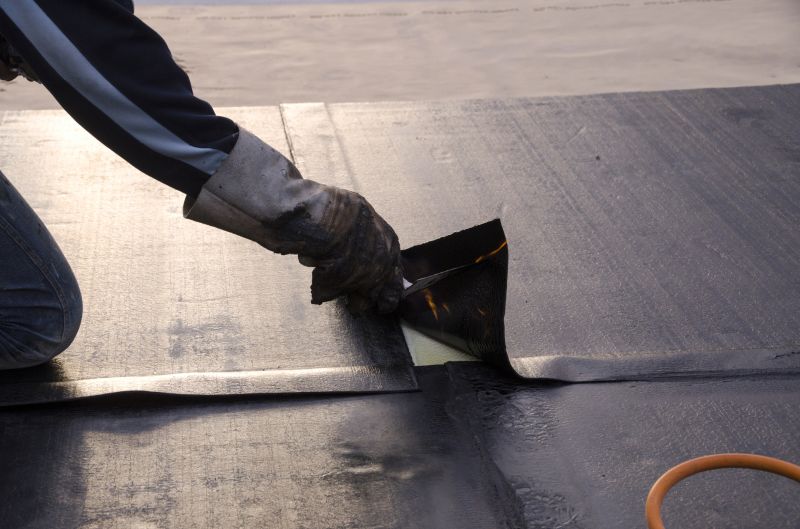
When comparing contractors for rubber roof waterproofing services, it’s important to consider their experience with similar projects. Homeowners should inquire about the types of waterproofing jobs they have completed, especially those involving rubber roofing systems similar to what is on the property. Contractors with a history of handling comparable projects are more likely to understand the specific challenges and best practices, which can contribute to a successful outcome. Gathering details about their past work can help homeowners assess whether a contractor’s expertise aligns with the unique requirements of their home.
Clear, written expectations are essential to ensure everyone is on the same page before work begins. Homeowners should seek detailed proposals that outline the scope of work, materials to be used, and any warranties or guarantees offered. Having this information in writing helps prevent misunderstandings and provides a reference point throughout the project. It’s also beneficial to discuss the process and timeline upfront, so expectations are realistic and transparent from the start. This clarity can foster a smoother working relationship and reduce potential frustrations.
Reputable references and effective communication are key factors when choosing a local contractor. Homeowners are encouraged to ask for references from previous clients who had similar waterproofing work done. Speaking with past customers can provide insights into the contractor’s reliability, quality of work, and professionalism. Additionally, good communication-such as prompt responses to questions and willingness to explain procedures-indicates a contractor who values client satisfaction. It’s important to remember that the site introduces homeowners to local options, helping to connect with qualified service providers capable of handling the project, rather than performing the work directly.
Property owners in Upland, CA use Rubber Roof Waterproofing services for practical projects around their homes and businesses. This guide focuses on everyday jobs and straightforward project options.
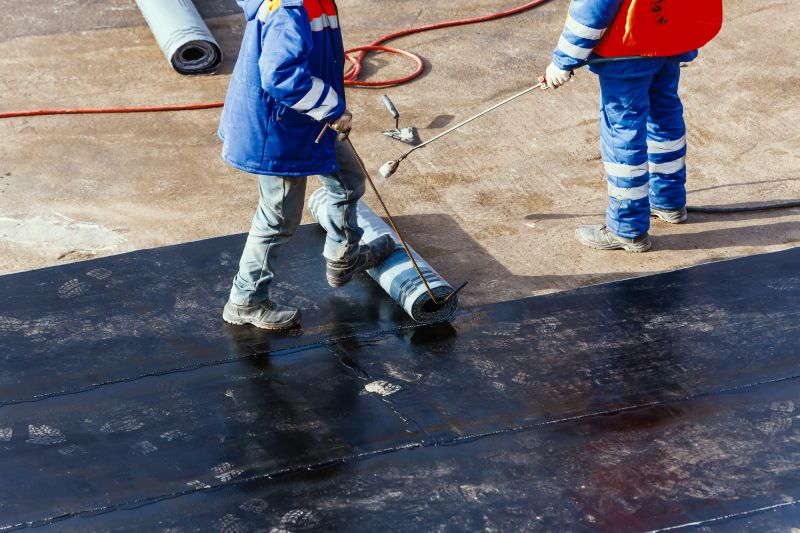
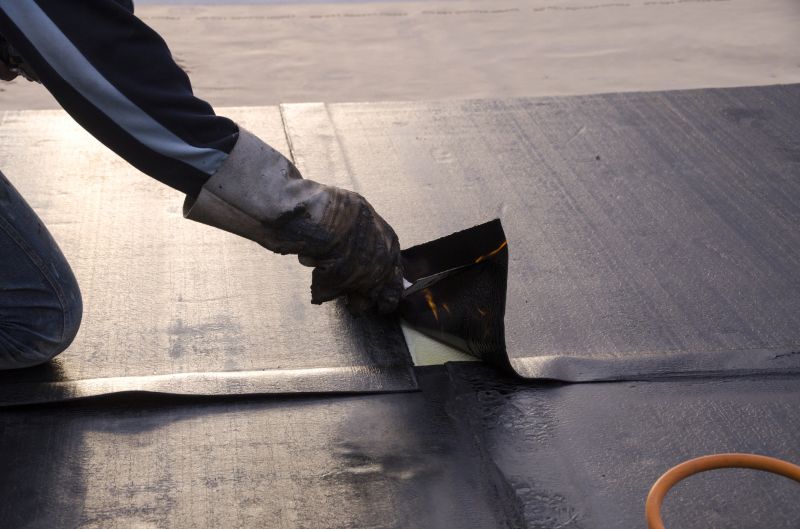
Rubber roof waterproofing services are often needed when property owners in Upland, CA notice leaks or water stains on their ceilings after heavy rains or when the weather shifts from warm to cooler temperatures. These issues can happen unexpectedly, especially in older buildings or roofs that haven't been maintained regularly. Local contractors can assess the condition of a rubber roof and apply waterproofing treatments to help prevent future leaks, ensuring that homes and commercial properties stay dry and protected during the region’s seasonal changes.
Property owners might also seek rubber roof waterproofing if they observe cracks, blistering, or surface deterioration on their roofs, which can compromise the waterproof barrier over time. Regular waterproofing can extend the lifespan of a rubber roof and reduce the risk of costly water damage inside the building. Local service providers are equipped to handle these common concerns, offering solutions that help maintain the integrity of the roof and safeguard the property against the elements.
What is rubber roof waterproofing? Rubber roof waterproofing involves applying a protective coating or membrane to a rubber roof to prevent water penetration and extend its lifespan.
Why should I consider waterproofing a rubber roof? Waterproofing helps protect the roof from leaks, weather damage, and deterioration, ensuring the roof remains functional and durable over time.
How do local contractors typically waterproof rubber roofs? They usually clean the roof surface thoroughly, repair any existing damage, and then apply a specialized waterproof coating or membrane designed for rubber roofs.
Can waterproofing be done on all types of rubber roofing? Most rubber roofing types can be waterproofed, but it’s best to have a professional assess the specific roof to determine the appropriate waterproofing method.
What are common signs that a rubber roof needs waterproofing? Signs include visible cracks, pooling water, leaks inside the building, or areas where the rubber membrane appears worn or damaged.
Prevent Water Damage - Rubber roof waterproofing can protect flat or low-slope roofs from leaks during heavy rain, helping to keep interiors dry.
Extend Roof Lifespan - Applying waterproofing coatings can help preserve the roof’s integrity and delay the need for costly repairs or replacements.
Improve Energy Efficiency - Waterproofed rubber roofs can reflect sunlight, potentially reducing cooling costs in warmer months.
Maintain Property Value - Regular waterproofing services can help preserve the roof’s condition, supporting overall property value and curb appeal.
If you are thinking about Rubber Roof Waterproofing for a property in Upland, CA, this guide is meant to help you understand the work, the typical project types, and how different options might fit your plans.
When you are ready, you can use the quote form on this page to share a few details about your project. From there, local pros can review the basics and respond with options that match what you have in mind.